
Embarking on the journey of learning a new language can be a rewarding experience. For those looking to master Dutch from the comfort of their homes, building a robust vocabulary for everyday activities and household spaces is a crucial first step. As a busy mom of three who also works part time, starting where I am is non-negotiable. Yes, I spend most of my time at home, and here is the most logical place to begin.
Being a visual learner, i definitely need to have the words illustrated so i can remember them or i need a story to go with them. Story method is a bit time consuming but adding a visual to the word is much easier for me. That is why my vocab posts are made with a lot of photos. They are intended for me to go back and revise and also to help other visual learners to fill up their dutch vocabulary. For that purpose at the bottom of the post there are dialogue cards to help me learn and revise the words. You are welcome to use them as well .
Let”s dig in.
The home
We now live in maybe the most standard dutch three story row house. But we used to live in a tiny studio appartment. Therefore starting at the very beginng i needed to explore the types of homes people here have. What a best way to do it than browse a real estate website. Maybe the most famous one here is Funda, so headed there to see what types of properties there are and how are they called in dutch.
de woning – home, residense
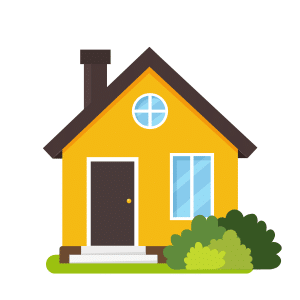
het huis – the house
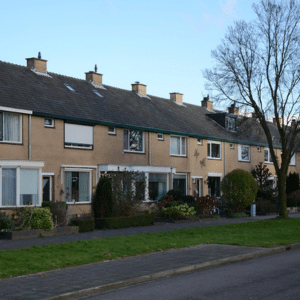
het rijtjeshuis – the row house
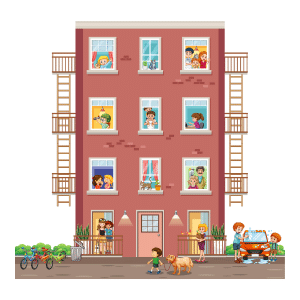
het appartement – the appartment
het gebouw – the building
The rooms
De woonkamer – The living room
De keuken – The kitchen
De slaapkamer – The bedroom
De badkamer – The bathroom
De eetkamer – The dining room
De hal / De gang – The hallway
De studiekamer / Het kantoor – The study / The office
De wasruimte – The laundry room
De zolder – The attic
De kelder – The basement
De garage – The garage
Het toilet / De WC – The toilet
De kinderkamer – The children’s room / The nursery
De logeerkamer – The guest room
De voorraadkast – The pantry
De tuin – The garden
Het balkon – The balcony
De berging – The storage room
De veranda – The porch
De kast – The closet
This list can be improved, this is what i could think of based on the places i have lived with my family so far. You can give your suggestions in the comments below and i will update the list. Hopefully we can all help each other out on our self study journey. Self doesn’t need to mean lonely, right!
Activate
Well, good to know how each room is called, but it doesn’t go far into a conversation, doesn’t it? To be able to activate those words and actually use them in a conversation i need a few more things – to be able to describe them, to be able to compare them, to be able to tell what i do in them.
Describing Rooms
Imagine giving someone a tour of your home. You’d start by simply describing each room with a bit of personality:
“Dit is de woonkamer. Hij is lekker ruim en heeft veel licht.”
(This is the living room. It’s nice and spacious, with lots of light.)“De keuken is niet zo groot, maar hij is gezellig en praktisch.”
(The kitchen isn’t that big, but it’s cozy and practical.)
Add little details like colors or the general vibe to make it feel real:
“De slaapkamer is lichtblauw en echt rustig – perfect om goed te slapen!”
(The bedroom is light blue and really calm – perfect for a good night’s sleep!)“We hebben de badkamer net verbouwd, dus hij voelt heel modern en fris.”
(We just renovated the bathroom, so it feels very modern and fresh.)
General Adjectives for Description of rooms in Dutch
- Groot – Big
- Klein – Small
- Ruim – Spacious
- Krap – Cramped
- Licht – Light/Bright
- Donker – Dark
- Gezellig – Cozy
- Modern – Modern
- Oud – Old
- Schoon – Clean
- Rommelig – Messy
- Opgeruimd – Tidy
- Comfortabel – Comfortable
- Ongemakkelijk – Uncomfortable
- Stijlvol – Stylish
- Rustig – Quiet
- Levendig – Lively
- Fris – Fresh
- Warm – Warm
- Koud – Cold
- Mooi – Beautiful
- Praktisch – Practical
- Functioneel – Functional
- Duur – Expensive
- Goedkoop – Cheap
2. Comparing Rooms in a Relatable Way
When talking to friends, you might want to compare different rooms. Use comparisons to highlight the differences:
“De woonkamer is veel groter dan de keuken – daar hebben we echt ruimte nodig voor de kinderen.”
(The living room is much bigger than the kitchen – we really need the space for the kids there.)“Ik vind de eetkamer gezelliger dan de studeerkamer, want daar eten we samen.”
(I find the dining room cozier than the study because that’s where we eat together.)
Or talk about preferences and why certain rooms are your favorites:
“Mijn favoriete kamer is de tuin! Zodra de zon schijnt, ben ik daar buiten met een kopje koffie.”
(My favorite room is the garden! As soon as the sun shines, I’m out there with a cup of coffee.)“De zolder is handig als opslag, maar ik kom er eigenlijk nooit.”
(The attic is useful for storage, but I hardly ever go there.)
3. Discussing What You Do in Each Room
Most of the times you will want to explain more about what you do in each space – like sharing your daily routines or family activities:
“In de keuken kook ik elke avond voor ons gezin. De kinderen helpen vaak mee – ze vinden dat leuk!”
(In the kitchen, I cook every evening for our family. The kids often help out – they enjoy it!)“In de woonkamer zitten we ‘s avonds samen om tv te kijken. Het is echt onze ontspanningsruimte.”
(In the living room, we sit together in the evenings to watch TV. It’s really our relaxation space.)“De slaapkamer is mijn toevluchtsoord. Daar lees ik vaak voor het slapen een boek.”
(The bedroom is my sanctuary. I often read a book there before going to sleep.)
Or if a room serves multiple purposes, mention that too:
- “De studeerkamer is ook mijn werkplek overdag. ’s Avonds wordt het soms een speelkamer voor de kinderen.”
(The study is also my workspace during the day. In the evenings, it sometimes becomes a playroom for the kids.)
